

Afternoon tea with an expert in the field
I am happy to announce my new segment on the blog titled “Afternoon tea with an expert in the field,” where I will invite colleagues, partners, clients, and other experts to discuss various issues concerning the freight transport market. It is my pleasure to begin symbolically with a colleague of my team at Move Expert,…
 Ventislav Trendafilov
European Parliament and Council back revision of EU rules on driving licence
EU institutions have made considerable progress with revision of the Driving Licence Directive. However, the European Parliament and Councill will be able to continue negotiations only after European elections, which will take place between 6 and 9 June 2024. During its February Plenary Session Members of the European Parliament have adopted their negotiating mandate. Council…
 Margareta Przybyla
Tachographs – from 2026, it’s vans’ and light vehicles’ turn
The expansion of the mandatory tachograph to vehicles weighing 2.5 tons or more in international traffic presents fleets with new challenges. Since August 2023, new commercial vehicles weighing 3.5 tons or more have only been delivered with the new second version of the intelligent tachograph, and the first vehicles in the existing European fleet have…
 Egon Warkentin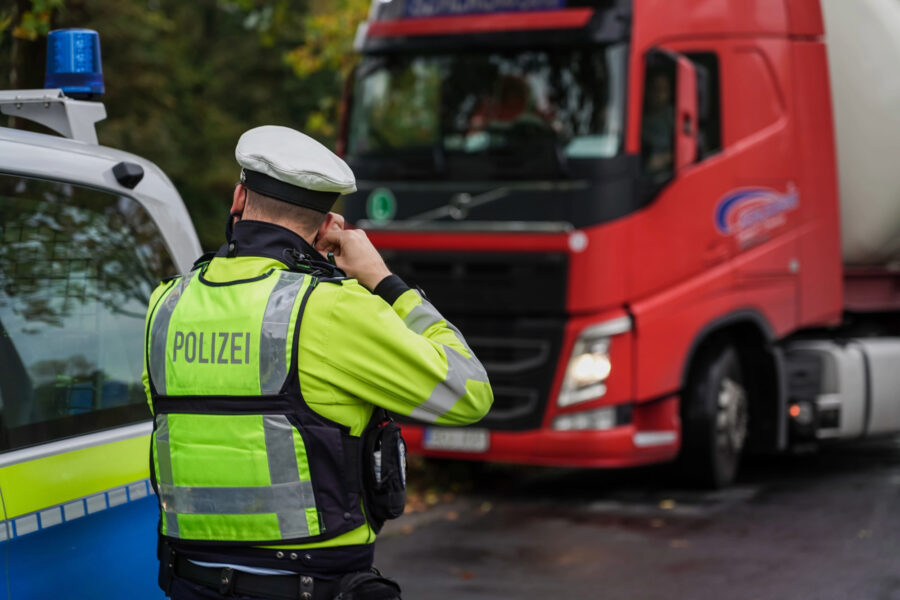
Truck & Bus Operation: Vehicle Inspections in Belgium, France, and Romania (November 6-12, 2023)
From November 6th to 12th, 2023, the European Labour Authority (ELA) collaborated with the European Roads Policing Network (ROADPOL) to address irregularities in road transport. In this joint effort, 86 law enforcement officers from various countries conducted inspections on 192 vehicles across Belgium, France, and Romania. The “Truck and Bus Operation” campaign uncovered numerous violations…
 Agnieszka Martinez
Holding all (driver) cards: How to handle the extended recording period
Holding all (driver) cards: How to handle the extended recording period Where are the challenges when we switch from 28 to 56 days? Some commercial drivers are already looking towards the end of next year with a feeling of unease. From December 31, 2024, driver cards’ recording period will be extended to 56 days. But…

Illegal roadside checks – passing problem or ongoing concern?
Over the past months, a significant increase of illegal roadside checks has unfolded since February 2022, persisting to the present day. According to our statistical data, a staggering 80% of transport companies lack sufficient time to prepare the necessary evidence requested during roadside checks. Illegal roadside checks practise In the past two years, disparities in…

ERRU in practice – case of France
In our article published on the Truck Mobility Info “ERRU: Enforcement of road transport rules in the EU” we have already explained in details the role and main functionalities of the European Register of Road Transport Undertakings (ERRU). As a reminder ERRU has the following three main functionalities, that can be used by enforcement authorities…

Transitioning to the second-version smart tachograph
How companies can handle regulations and deadlines ahead Hardly any other topic has kept logistics and freight companies busier in the past couple of years than the Mobility Package. Aiming to provide better working conditions, equal competition and more safety on Europe’s roads, a whole range of regulations have been implemented since 2020, from changes…

An advisor to the CJEU supports Denmark’s position on a maximum parking time of 25 hours for lorries
Restriction in Denmark’s on a maximum parking time of 25 hours for lorries limits the freedom to provide road transport services? The European Commission request the Court of Justice of the European Union (CJEU) to declare that the Kingdom of Denmark has failed to fulfil its obligations under the provisions of EU law relating to…
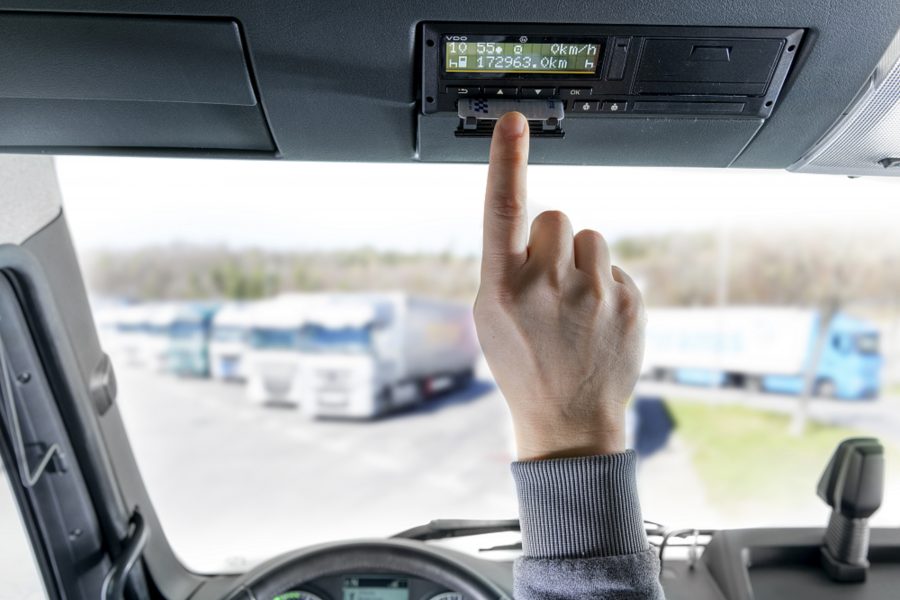
Smart Tachograph (V2): Unlock the power of data
Technology and trusted data ensure compliance and operational efficiency From 21st of August 2023, newly registered commercial vehicles are compelled to travel Europe’s roads with the new second-version smart tachograph on board, enabling the control and enforcement of new regulations stipulated by the Mobility Package. And for the first time in the tachograph’s now hundred-year…
 Markus Weide